
Level 1 sweep and inspection to the NFPA 211 annual standard - flue, crown, cap, and flashing checked and photographed
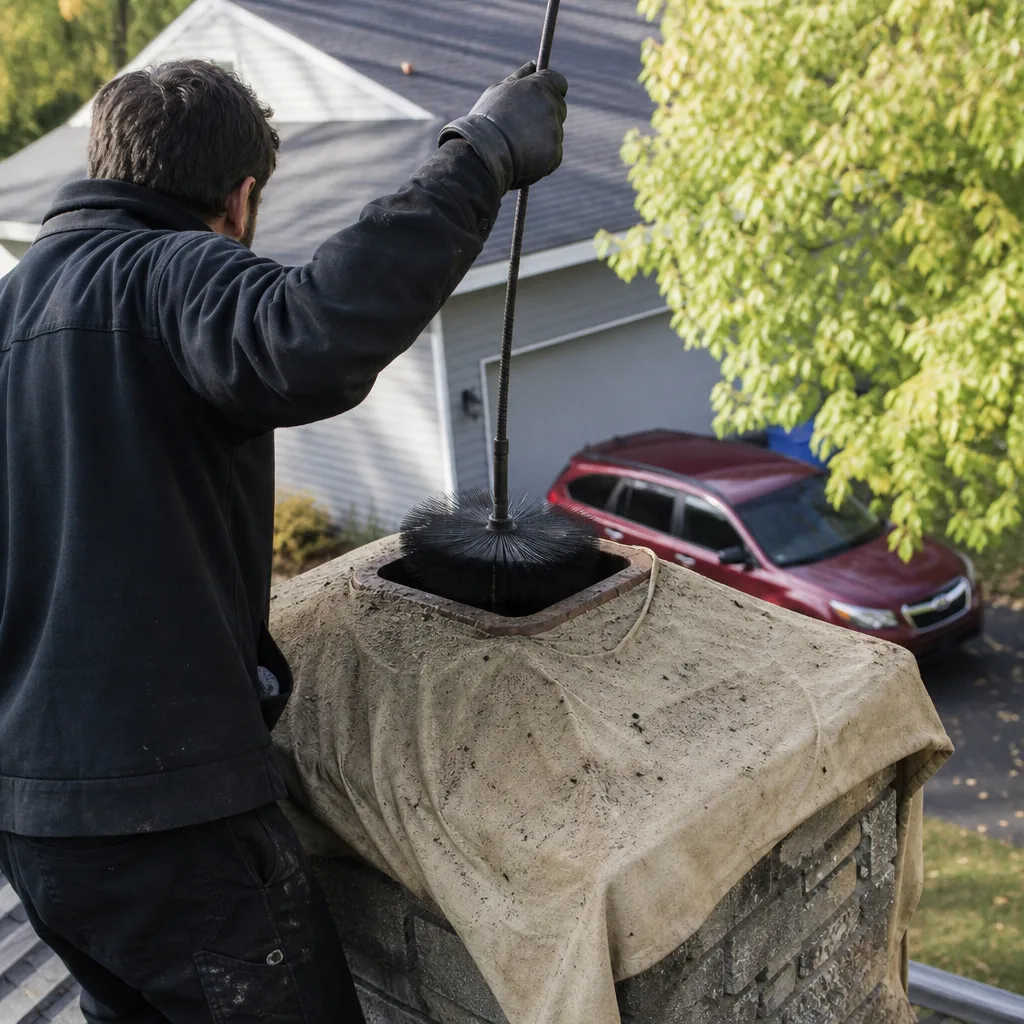
Chimney sweep logs do not sweep chimneys. They loosen some creosote - which then falls where a brush and vacuum still have to collect it.
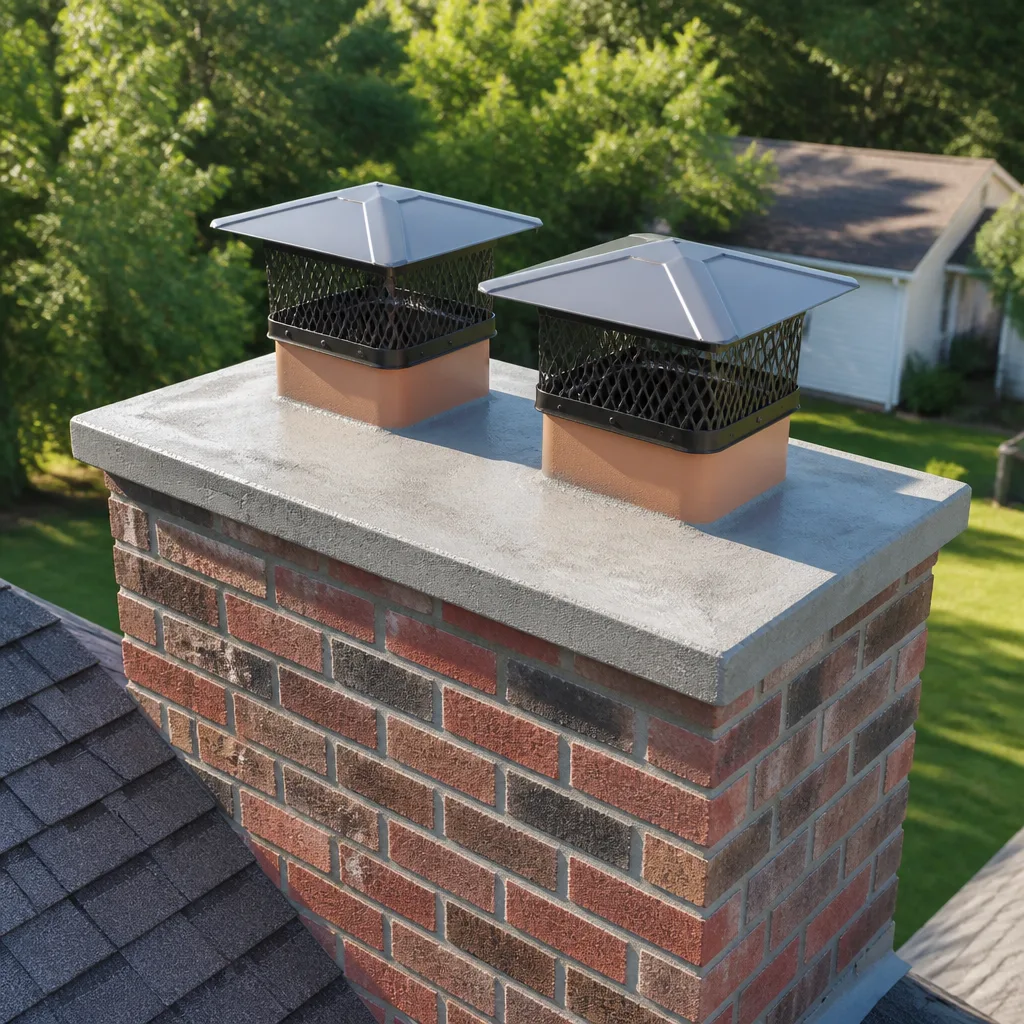
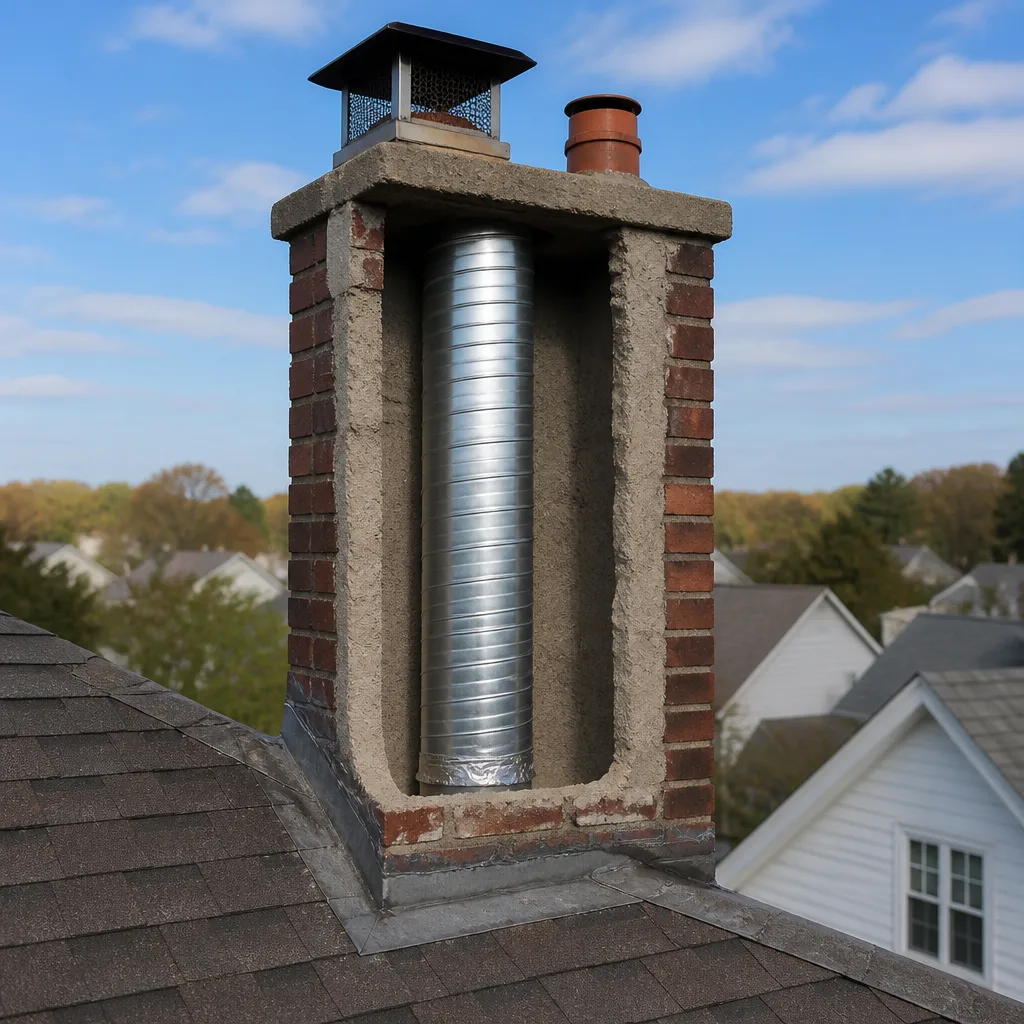
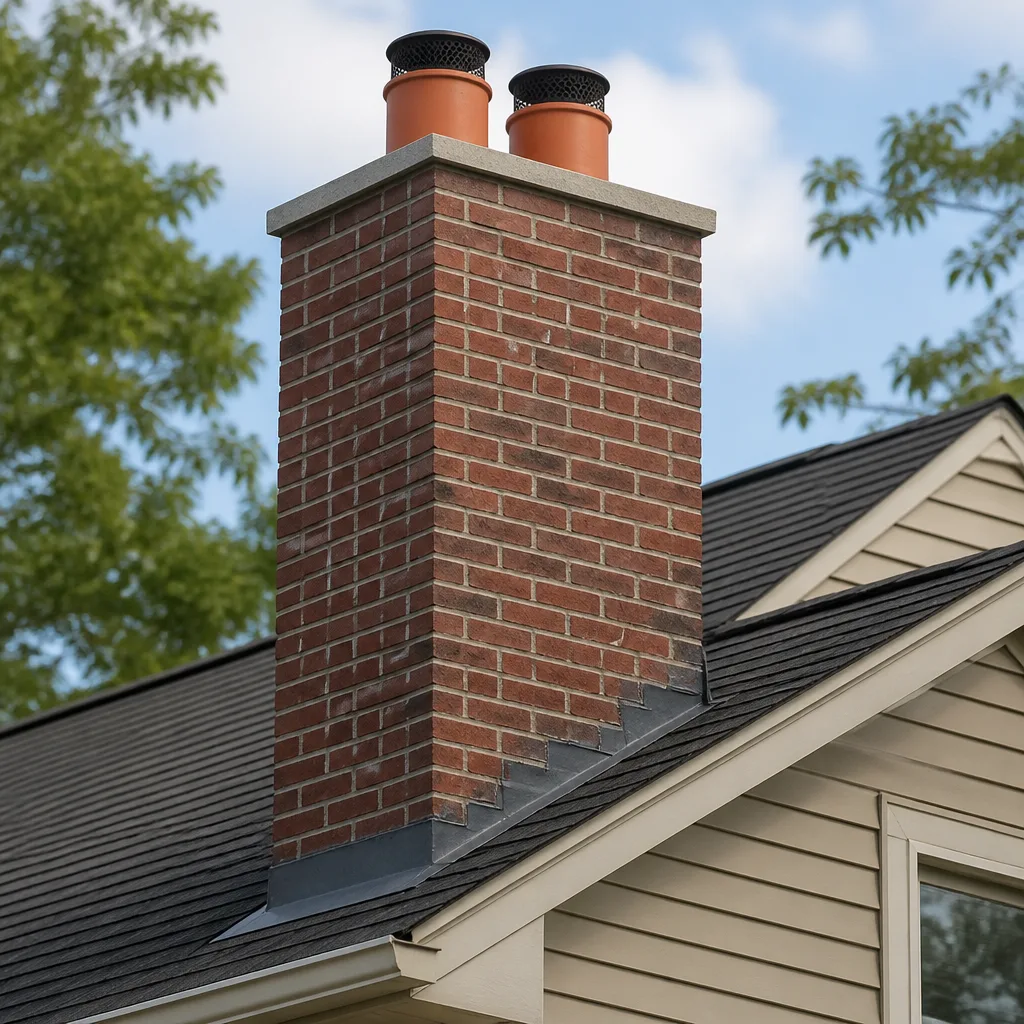
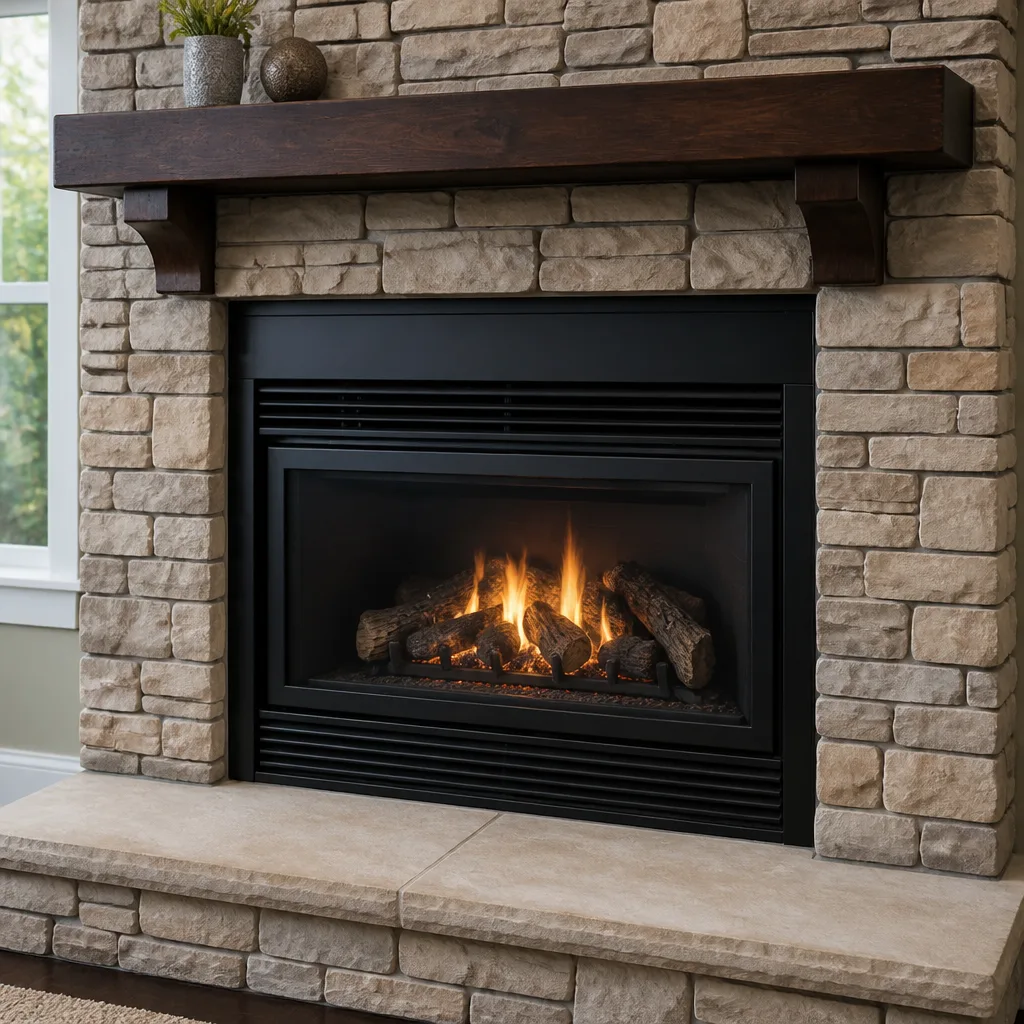
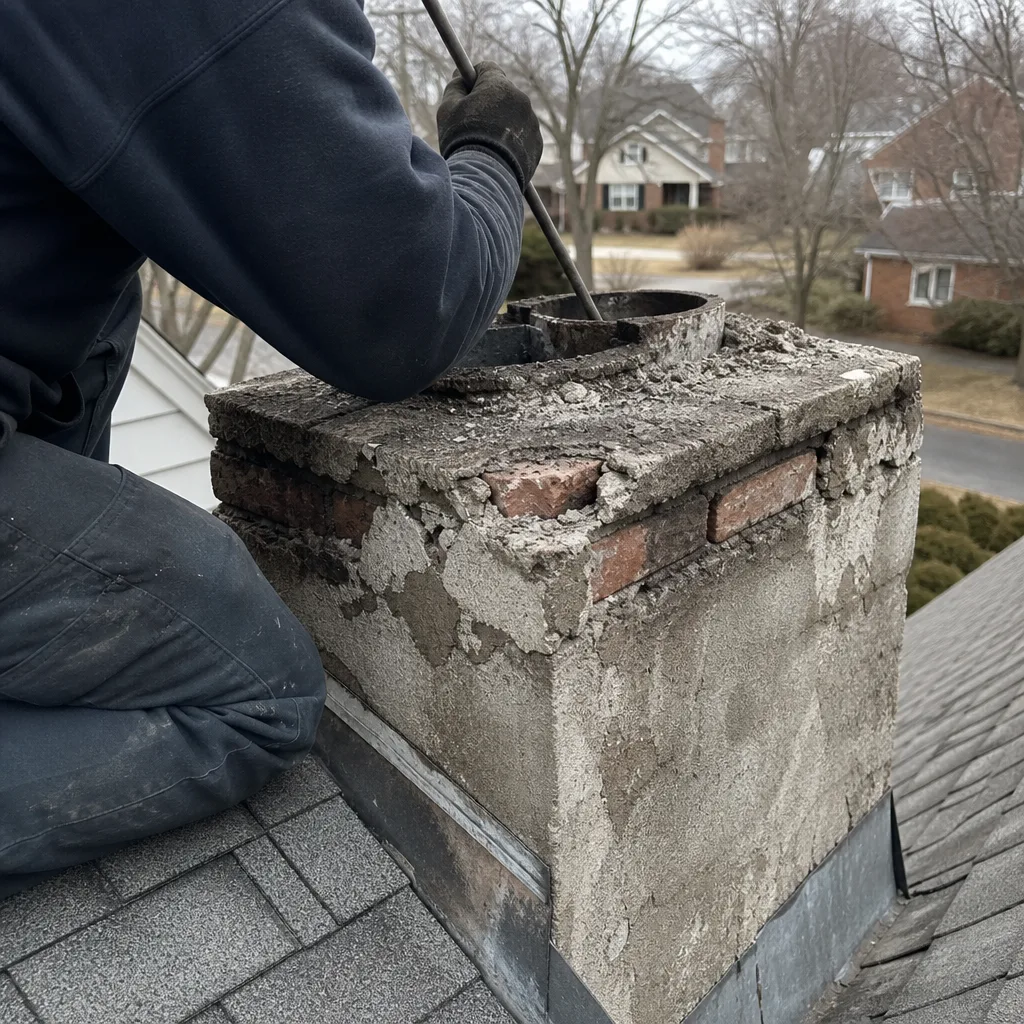 Before
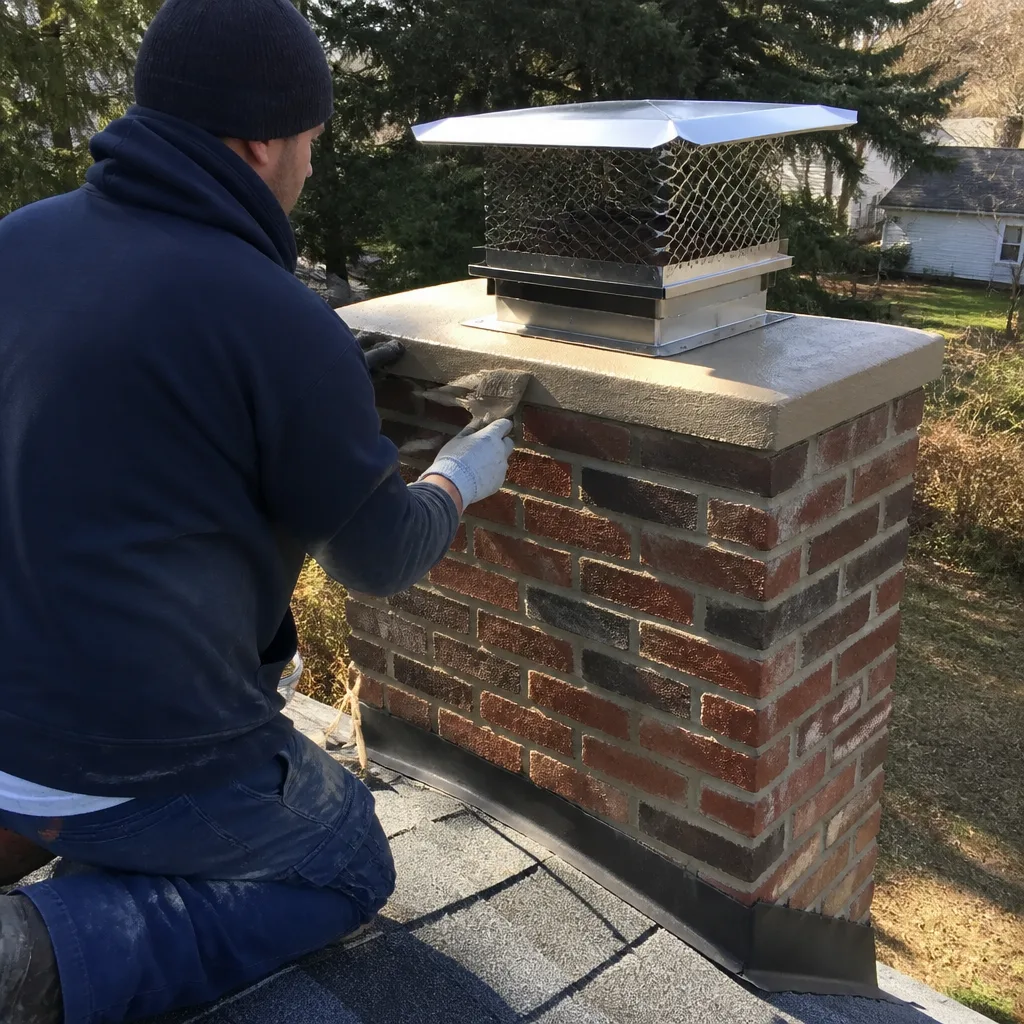 After
After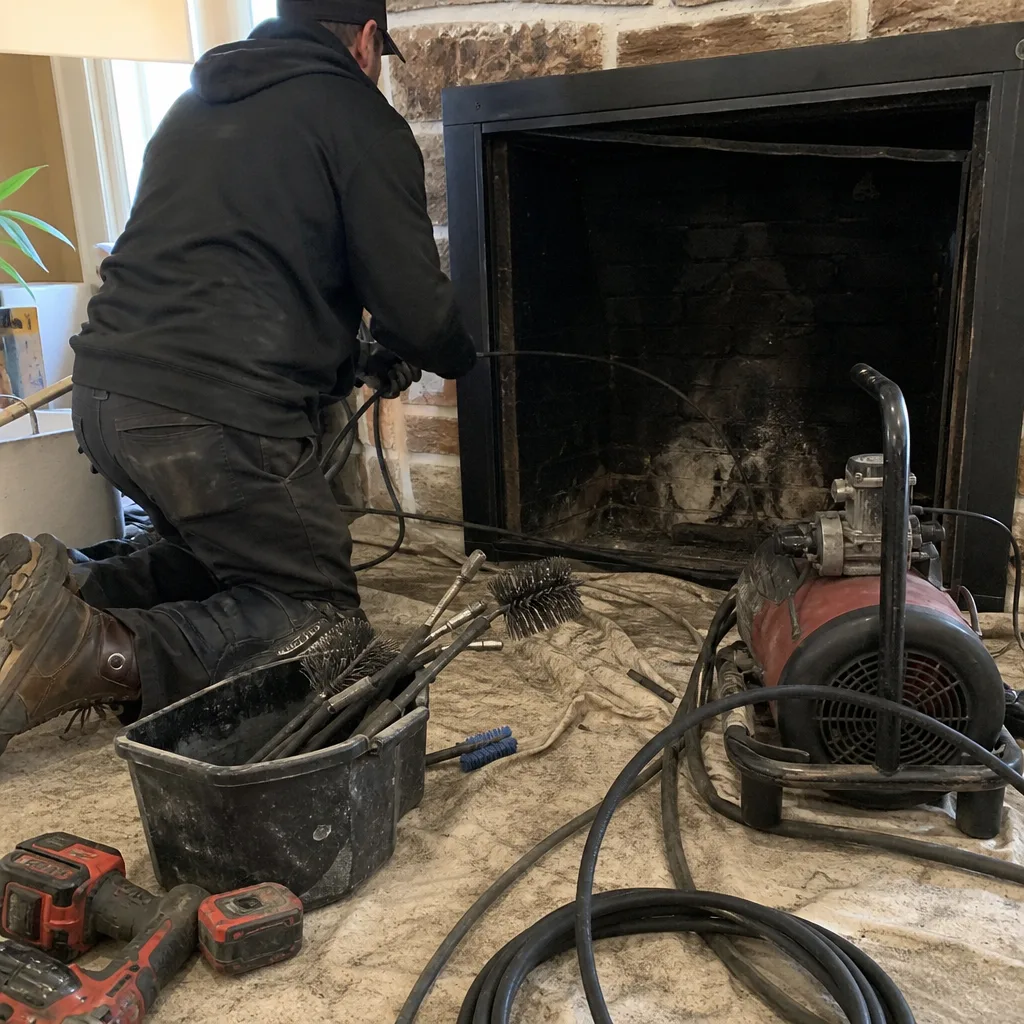 Before
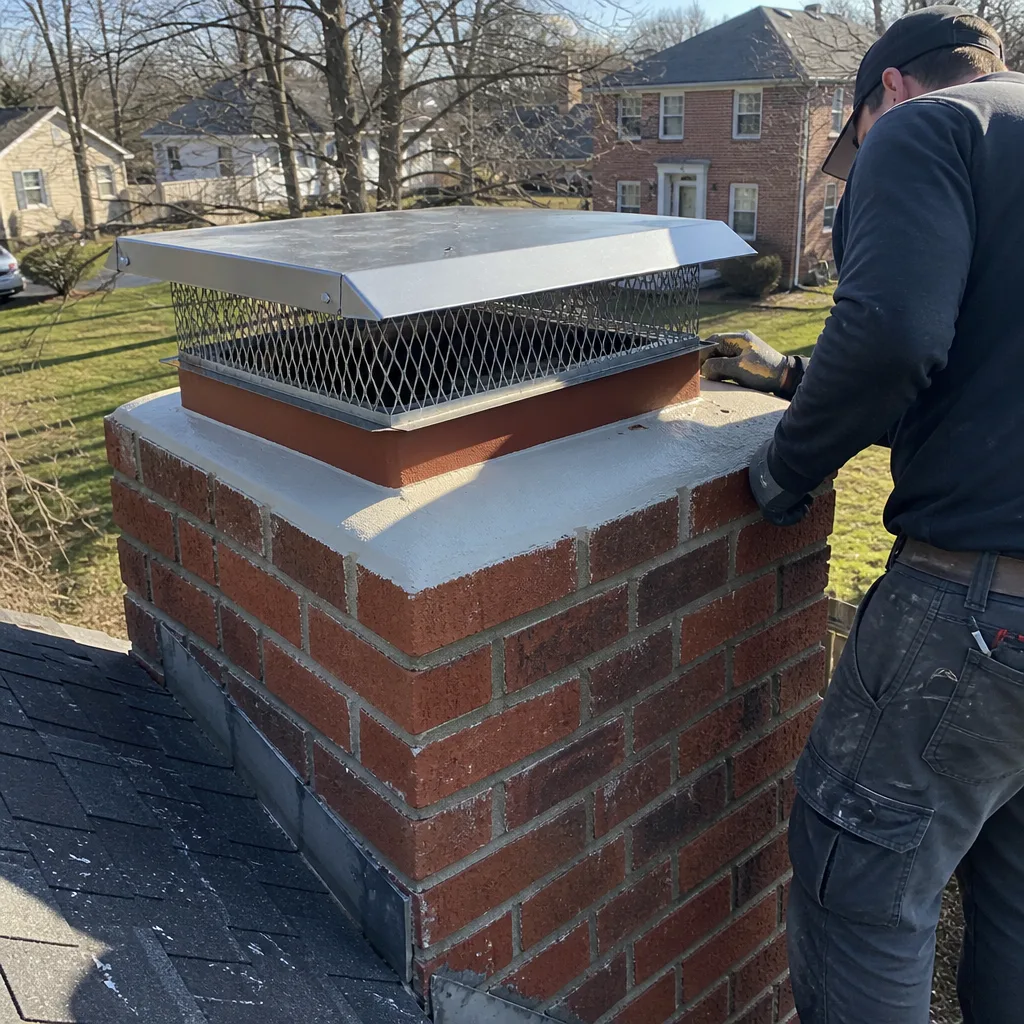 After
After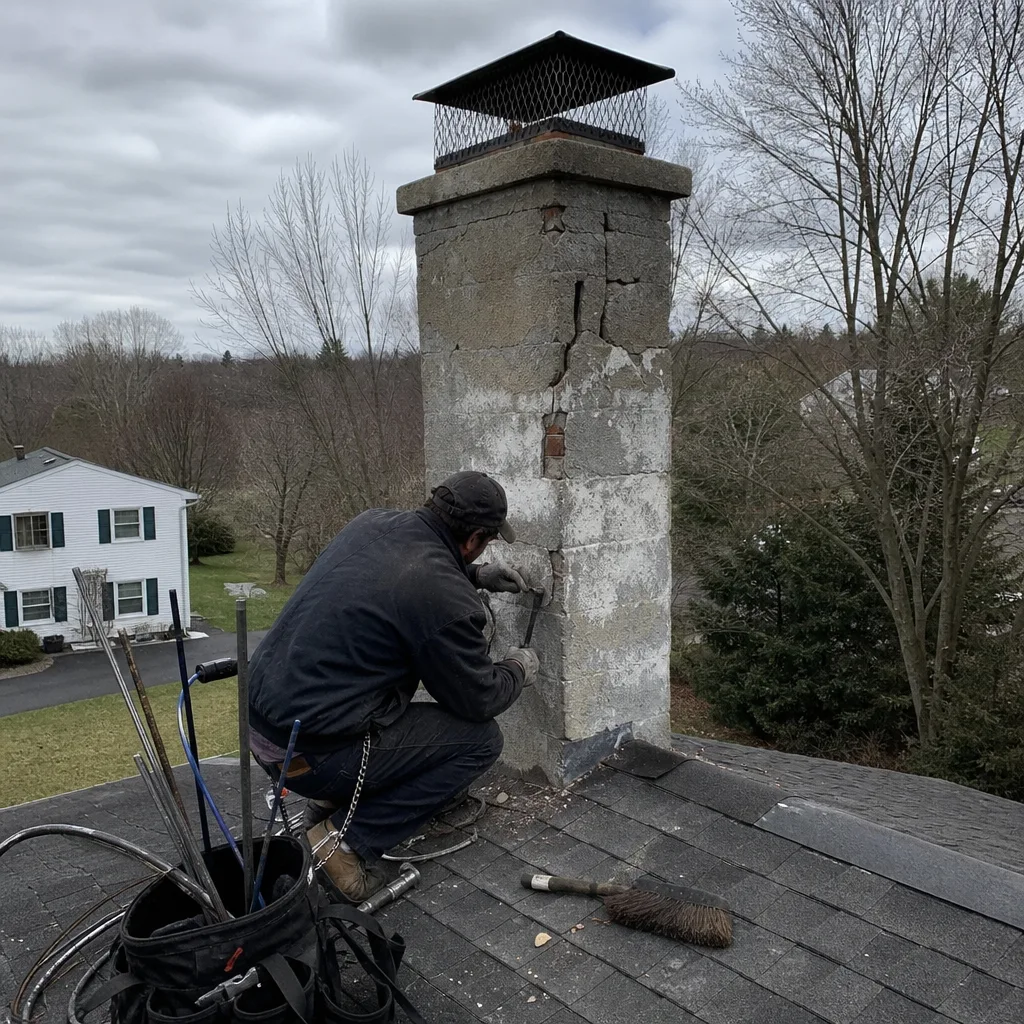 Before
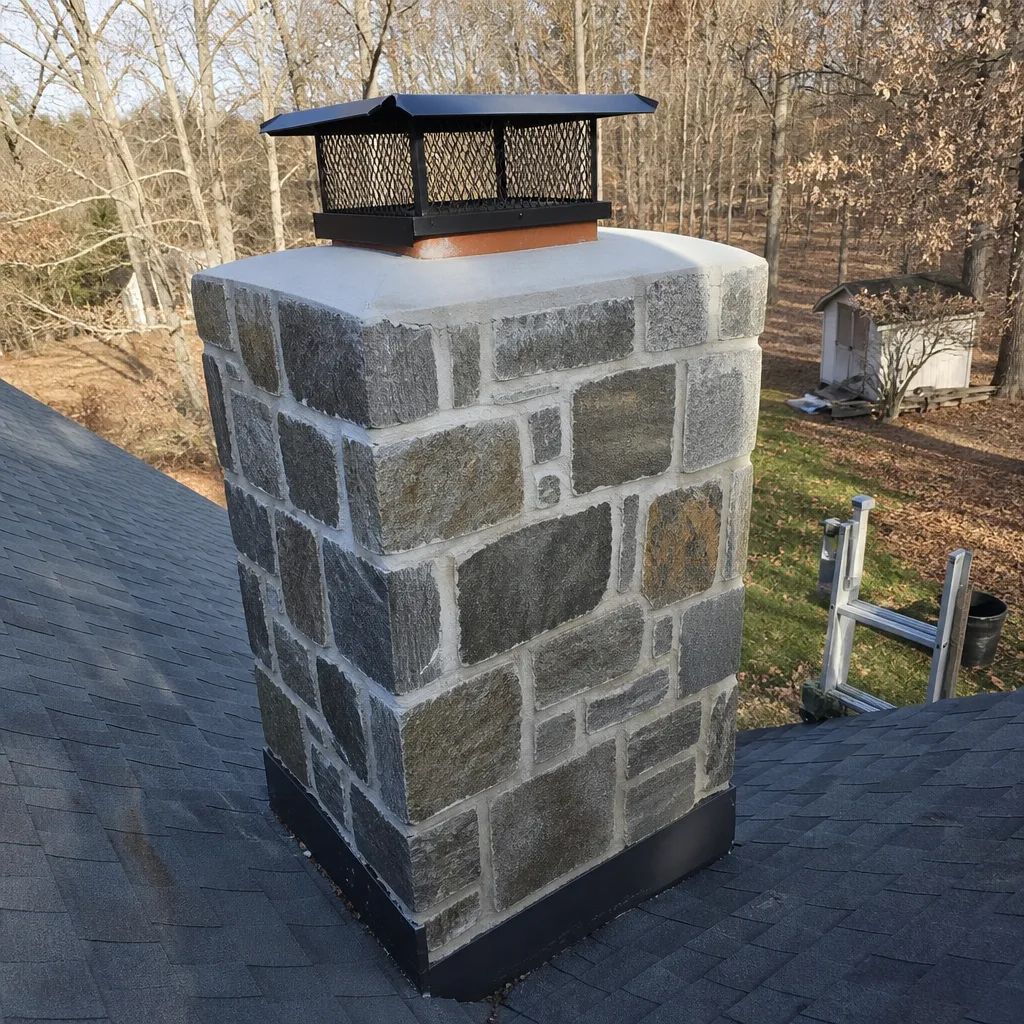 After
AfterCreosote Removal in West Chester, PA
Creosote removal in West Chester typically runs $150 to $900, depending on which class of buildup is present and how much of the flue is affected. Most single-flue cleanings with light-to-moderate creosote are handled in one visit; heavy glazed deposits classified as Class III require a chemical treatment step and a return appointment. Emberly Chimney Cleaners West Chester has documented and removed creosote from more than 38,000 chimneys since 2009 – every job quoted in writing before anyone touches the flue.
If your fireplace has been burning wood regularly, creosote is already accumulating inside the flue liner. That’s not an alarm – it’s physics. Wood smoke condenses on cool masonry and leaves behind a carbon-rich residue that grows denser and harder the longer it stays. When it reaches Class III, a glazed, tar-like coating that adheres to the liner wall, a single sustained burn is enough to ignite it. Flue fires in West Chester homes reach temperatures above 2,000 degrees Fahrenheit – hot enough to crack a clay tile liner or collapse a masonry joint – and they often happen with no warning at all.
Our Chimney Cleaning & Sweep in West Chester service includes a camera-scan inspection on every visit, so we can tell you exactly what class of creosote you’re dealing with before we quote the removal. You’ll have a written price, written scope, and written warranty in hand before a single brush goes down the flue. That’s Haven Standard Clause 1, and it’s been the practice here since we opened. Call us at (610) 321-4570 – live answer, any hour.
When You Need Creosote Removal
Creosote doesn’t announce itself. A homeowner burning seasoned oak in a Goshen Road colonial and one burning wet pine in a new-build off Paoli Pike are both accumulating it at different rates, and neither flue shows the problem from the firebox. These are the situations where removal becomes urgent rather than routine:
- You burned more than two cords of wood last season. West Chester winters push homeowners to run their fireplaces hard from November through March. At that volume, even a well-drafted flue with properly seasoned wood will accumulate enough Class I or Class II buildup to warrant removal before the next burn season.
- You smell a sharp, acrid odor in the living space even when the fireplace isn’t in use. That smell – often described as asphalt or campfire mixed with something chemical – is volatilized creosote off-gassing into the room. It means the buildup has reached a thickness that’s interacting with ambient heat and humidity, common in Chester County’s humid summers.
- You can see a dark, shiny coating or oily drips on the smoke shelf or firebox walls. Glazed Class III creosote reflects light. If your flashlight catches a sheen rather than a matte char, chemical treatment is almost certainly required before mechanical brushing will make contact.
- Your damper or smoke chamber shows black residue that smears or flakes when touched. Flaking creosote is Class II beginning to harden. Left alone in a West Chester home through a wet spring and summer, it absorbs moisture, swells, and locks itself to the liner surface.
- Your chimney had a flue fire – even a small one you may not have noticed. Short puff fires can self-extinguish, but they leave behind spalled liner sections and fractured mortar joints that trap new creosote in crevices where brushes can’t reach. A camera scan is the only way to confirm what actually happened.
- Your last sweep was more than 12 months ago, or you can’t confirm one was ever done. If you bought your home in West Chester between 2015 and 2025 – a period when inventory moved fast and disclosures were often thin – there’s a real chance the chimney’s service history is unknown. We see this regularly in the older Victorians near downtown and the cape cods off West Boot Road.
Our Creosote Removal Process
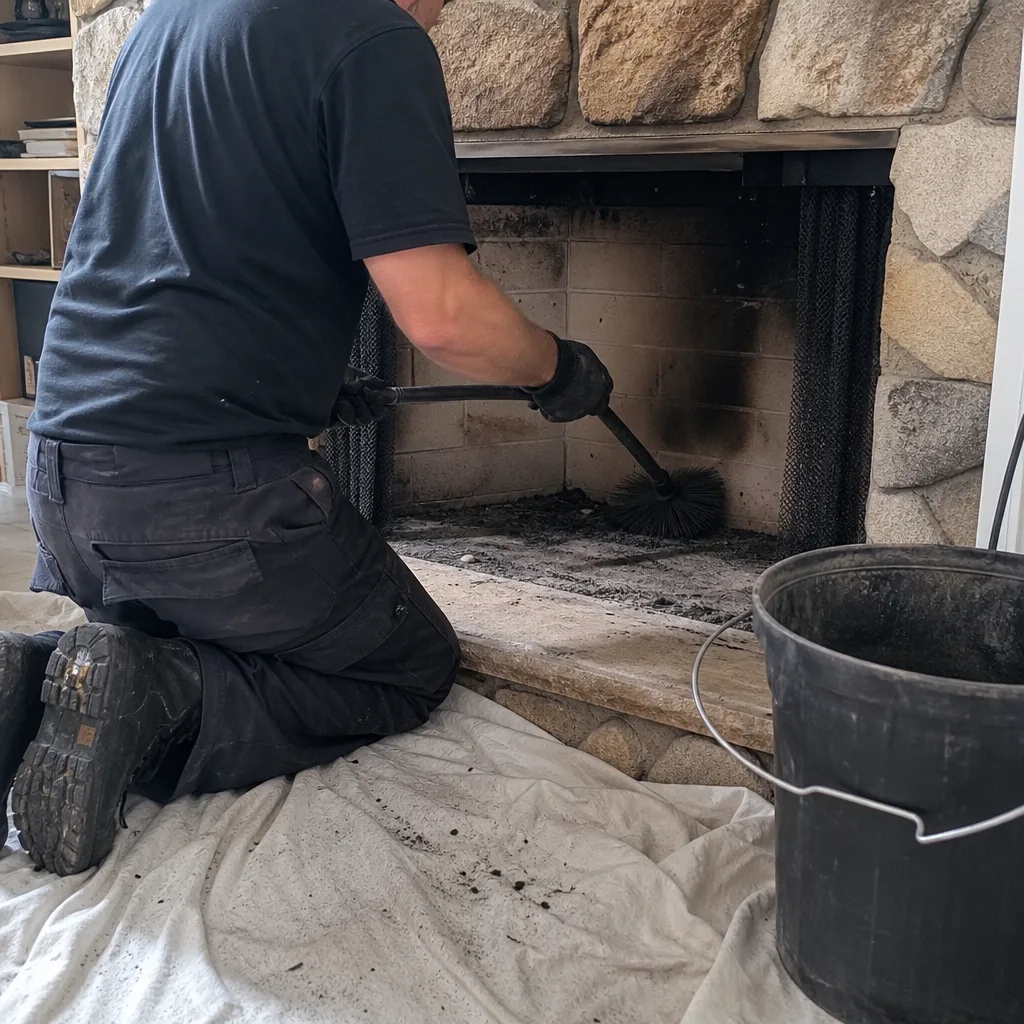
We don’t brush first and ask questions later. The class of creosote determines the removal method, and the removal method determines the written price. Here’s the sequence we follow on every job:
-
Camera-Scan Inspection Before Any Work Begins
A NFPA 211 Level 2 inspection starts every creosote removal job at Emberly Chimney Cleaners West Chester. Our camera goes down the full length of the flue liner – from the chimney crown to the smoke chamber – and records continuous footage. We’re looking at liner condition, creosote class and depth, joint integrity, and whether any previous burning damage has altered the flue geometry. You see what the camera sees. We don’t quote a removal until we’ve completed this step, because quoting without it is guessing. -
Written Price, Scope, and Warranty Before Work Starts
Once the inspection is complete, we write down the exact price, the exact scope of work, and the applicable warranty terms. You review it, ask questions, approve it – or don’t. Haven Standard Clause 1 means no one picks up a brush or a chemical applicator until you have that document in hand. If you have a written estimate from another West Chester sweep company, bring it to us. Our Free Second Opinion applies, and we’ll tell you plainly whether the scope matches the diagnosis. -
Class-Appropriate Removal
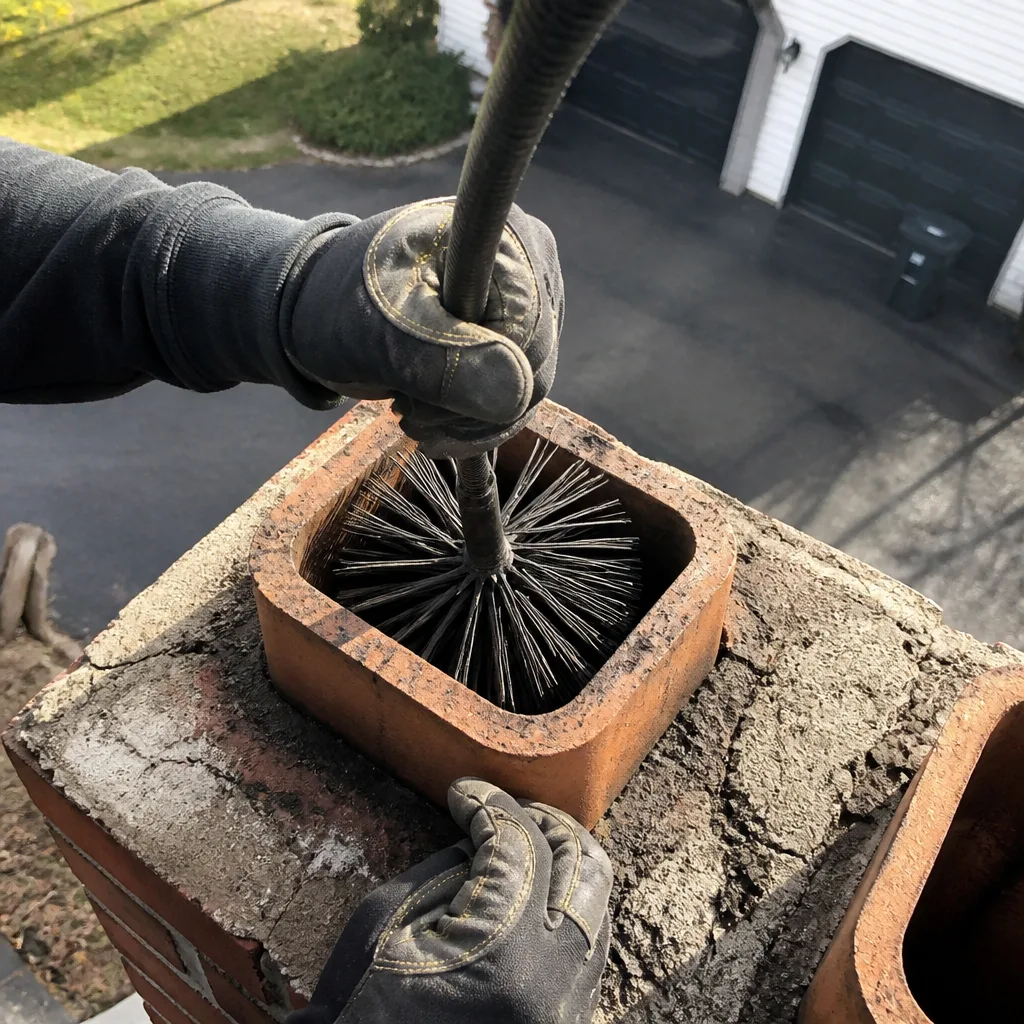
Class I buildup – the sooty, dusty layer – comes out with rotary steel brushes sized to the flue liner dimensions. Class II buildup, which has started to harden into a tar-like crust, typically requires a combination of mechanical brushing and a chemical creosote modifier that we apply in a prior burn, softening the deposit before the next cleaning appointment. Class III glazed creosote requires a dedicated chemical treatment step using a professional-grade modifier – applied to the hardened glaze and allowed to react before the mechanical removal session. We source chemical treatment products through Haven’s supply network specifically to keep material costs from inflating your final price. -
Smoke Chamber and Smoke Shelf Cleaning
The smoke chamber – the corbelled masonry section that funnels combustion gases from the firebox opening up into the flue – is one of the highest-concentration creosote zones in any chimney. Its angled, irregular surface is also where brushes are most likely to miss. We clean the smoke chamber and smoke shelf as part of every creosote removal, not as a line-item add-on. If the chamber’s parging (the refractory coating on the chamber walls) shows erosion or spalling, we’ll document that in the photo record and flag it for repair. -
Containment and Cleanup
Every job uses drop cloths and industrial HEPA-rated equipment to keep creosote dust and debris out of the living space. We work from both above (cap and crown access on the roof) and below (firebox level), and the debris path is sealed off before removal begins. West Chester homes with original hardwood floors and period millwork – especially in the Historic District – need that containment taken seriously. -
Documented Photo Record and Written Summary
Clause 4 of the Haven Standard requires a documented photo record on every job, without exception. When we’re finished, you have before-and-after photos, camera footage from the post-cleaning scan, and a written summary of what was found, what was done, and the condition of the flue liner and related components when we left. That record is yours. It’s also the documentation your insurer may ask for if you ever file a fire-related claim.
BeforeAfterCreosote Removal Pricing in West Chester
Creosote removal in West Chester, PA costs between $150 and $900 for most single-flue residential jobs. The range is wide because the class of buildup changes both the method and the time required. Here’s how the pricing breaks down in practice:
| Creosote Class | Description | Typical Cost Range |
|---|---|---|
| Class I | Dusty, flaky soot – standard annual accumulation from regular burning | $150 – $250 |
| Class II | Tar-like buildup, 1/8 inch or more, beginning to harden | $250 – $500 |
| Class III | Glazed, hardened deposits – chemical treatment required, often two visits | $500 – $900+ |
A few factors that move the number within those ranges in West Chester specifically:
- Flue height. Many West Chester Victorians and foursquares near the downtown corridor have taller-than-average chimneys – 25 to 35 feet of flue is not unusual. More liner surface means more time and more materials.
- Flue liner condition. A compromised clay tile liner with offset joints catches and holds creosote in ways that add removal time. If the liner needs HeatShield resurfacing or a DuraFlex stainless liner insert after removal, that’s a separate written quote – never folded in without your approval.
- Number of flues. Homes with multiple fireplaces – common in the larger colonials off Paoli Pike and throughout Westtown Township – are priced per flue.
- Chemical treatment for Class III. When a second appointment is required for glazed creosote, the treatment application and the return cleaning visit are each line-itemized in the written quote so you see exactly what you’re paying for each step.
The camera-scan inspection is included in the visit cost – it’s not a separate charge designed to justify the removal quote. You get the inspection findings, the written price, and the written scope before any work starts. If the price doesn’t work for you, there’s no obligation. Call (610) 321-4570 to schedule – estimates are always free, and we’ll tell you what’s in the flue before we ask you to spend anything.
FAQs – Creosote Removal in West Chester
How do I know what class of creosote is in my chimney?
The only reliable answer comes from a camera-scan inspection – a flashlight look at the firebox opening doesn’t show you the upper flue liner or smoke chamber, where Class II and Class III deposits typically concentrate. Class I creosote is dry and dusty, Class II has a tar-like texture and is starting to harden, and Class III is a glossy or matte glazed coating that has fused to the liner wall. Our inspection documents all three zones with camera footage so you’re not guessing about what you’re dealing with. Call (610) 321-4570 and we’ll schedule the camera scan – the inspection results come with a written price before any removal work is proposed.
Can Class III creosote be removed without replacing the liner?
Often, yes – but it depends on what the liner looks like underneath the deposit. Class III creosote removal uses a professional-grade chemical modifier applied to the glazed surface, which converts it from a hard glaze to a more friable material that can then be mechanically removed. A Level 2 Inspection is typically required to fully assess the extent of this type of buildup. After removal, the camera goes back down. If the liner tiles are intact and the joints are sound, no liner work is needed. If the flue fire that typically accompanies Class III accumulation cracked tiles or opened mortar joints, we document that separately and quote the liner repair or a HeatShield or DuraFlex insert as a distinct written scope – your decision, your timeline.
How often should I have creosote removed in West Chester?
The NFPA 211 standard recommends a Level 1 Inspection and cleaning at least once per year for any chimney that’s been in regular use. In West Chester and the surrounding Chester County area, where heating seasons run from October through April and many homeowners burn three or more cords of wood per season, an annual sweep and creosote check is a reasonable floor. Homes with older clay tile flues – especially the 1920s-1950s construction common throughout the West Chester Historic District – benefit from more frequent inspections because the mortar joints in older liners trap creosote in ways that accelerate buildup. If you’re not sure when the last sweep was, that’s a good enough reason to schedule one now.
Is creosote removal covered by homeowner’s insurance?
Routine creosote removal is maintenance and is not covered by standard homeowner’s policies. However, if a flue fire caused by creosote ignition has damaged the liner, firebox, or surrounding masonry, the resulting structural damage may be a covered loss – and your insurer will likely ask for documentation of the chimney’s service history and the condition before and after the incident. The documented photo record and camera footage we provide under Haven Standard Clause 4 is exactly the kind of contemporaneous record that supports a claim. Keep those documents. We strongly recommend confirming specifics directly with your insurance carrier, since policy terms vary.
Key Takeaways
- Creosote removal in West Chester costs $150 to $900 for a single-flue residential job, depending on the class of buildup.
- Class III glazed creosote requires chemical treatment before mechanical removal – typically two visits – and that’s reflected in the written price upfront.
- Every job starts with a camera-scan inspection (NFPA 211 Level 2) so the removal method matches the actual condition of the flue.
- You receive a written price, written scope, and written warranty before any work begins – Haven Standard Clause 1, no exceptions.
- A documented photo record and post-cleaning camera scan are included on every job under Haven Standard Clause 4.
- The 365-Day Done Right Promise is stamped on every job: if it’s not right, we make it right.
- Live phone support at (610) 321-4570 is available any hour – not a form, not a voicemail.
Schedule Your Creosote Removal in West Chester
If your flue hasn’t been inspected in the past year – or if you bought your West Chester home without a clear service history on the chimney – the right starting point is a camera-scan inspection. We’ll document what’s there, classify the creosote, and give you a written price for removal before a single brush moves. No guesswork, no inflated scopes, no surprise charges at the end of the appointment.
Emberly Chimney Cleaners West Chester has completed more than 38,000 Chimney Cleaning & Sweep services and inspections since 2009, every one with a written price before work started and a documented record when it was done. The 365-Day Done Right Promise backs every job. Our Free Second Opinion is available on any written estimate you’ve already received.
Call (610) 321-4570 to schedule. Live answer, any time. Written price before work starts, documented photo record when it’s done.
Written by Corrine Halstead, Owner at Emberly Chimney Cleaners West Chester, serving West Chester.